- Sings effective service delivery, digital learning tunes
 BY EDMOND ODOK – Determined to promote digital learning and close the worrying unemployment gap across the country the Industrial Training Fund (ITF) has commenced the process of converting five of its skills acquisition centres to innovation hubs
Director General of the Fund, Sir Joseph Ari, said the move is part of efforts at improved and effective service delivery, particularly in enhancing “creativity and innovation”, among its trainees and graduands nationwide.
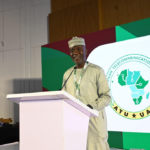
Sir Ari unveiled the Fund’s forward looking plans in Abuja on Saturday at the 3rd Annual Forum for Innovation in African Universities (FIAU) tagged, “Strengthening Africa’s Higher Education in a post COVID-19 World”.
He said converting the Skills Centres to hubs for innovation and entrepreneurship (e-Hubs) will involve ITF’s existing Skills Training Centres (STC) located in Lagos, Kano, Kogi, Abuja and Plateau as well as the vocational wings attached to the Area Offices.
At the event which attracted stakeholders in the education sector and key players in economy, Sir Ari explained that the plan is for institutions of higher learning in Nigeria and other stakeholders to utilise these incubation centres as vehicles for innovation and creativity.
He said having been at the forefront of innovation in Nigeria, the impact of ITF’s efforts has transcended the Human Resources Development (HRD) sector with different degrees of impact on the economy, including the higher education system.
The ITF Boss also said a key example of one of such productive innovation is the Students Industrial Work Experience Scheme (SIWES) that came out of the Fund’s research efforts to address the observable gaps between theories in schools of higher learning and physical practices in industries.
According to Sir Ari; “It will not be farfetched to assert that the quality of the Nigerian workforce could conceivably have been worse without practical exposure to industries before graduation. Other novel practices introduced by the ITF in the HRD sector have served to fundamentally change practices in the sector.
“As a forward-looking institution that places a premium on creativity and innovation, the Industrial Training Fund aligns its policy direction to prevailing global trends and government policy thrusts.
“One such policy and vision review is our current policy direction tagged: Re-Engineering Skills for Sustainable Development, which gave birth to the institutionalisation of the National Apprenticeship and Traineeship System (NATS).”
Furthermore, Sir Ari stated that official presentation has been made to the Federal Government for the establishment of Centres for Advanced Skills Training for Employment (CASTE) in the six geo-political zones, stressing that the plan is to deploy these Centres for graduate upskilling and reskilling.
He described the Forum as timely for Nigeria with the outcomes expected to hugely assist the President Bola Ahmed Tinubu-led administration given its already demonstrated willingness to reform the country’s tertiary by signing into law the Access to Higher Education Act, 2023, otherwise known as the Student Loan Act.
The ITF Director General said by signing the Act as his first Executive action in office, the President has boldly shown that the administration is committed to ensuring breath of fresh in Nigeria’s failing tertiary education sector.
He however noted that the President’s visionary agenda would only become a reality with regulators, Government Agencies, employers of labour and multilateral institutions continuously brainstorming and generating implementable ideas to further shape the government’s plans and actions, especially in relation to tertiary education.
The Permanent Secretary, Federal Ministry of Education, Mr Andrew Adejoh, who also spoke at the occasion, said the prospect of making significant improvements in higher education for African and indeed Nigerian universities holds great promise in Africa’s drive to become the continent of choice.
Mr Adejo said the initiative for establishing the Forum for Innovation for Africa Investors in 2019 was the direct response to the adverse effects of the COVID-19 pandemic on Africans education sector.
Noting that the Forum encourages intellectual debates with close exchange of knowledge, involving highly reputable global and regional partners, in pooling resources to support African universities, he said; “This is what the continent needs in this post pandemic era, to enable us to overcome the challenges brought about by the pandemic, and most importantly, learn and get ready for mitigating such impacts of outbreaks.”
Speaking earlier, Convener of the Forum for Innovation in African Universities (FIAU) Annual Meeting, Paschal Anosike said the event was meant for innovators and experts in education and skill acquisition industry to engage positively on existing and emerging challenges in the sector.
For Mr Anosike, the Forum also presents a veritable platform and opportunity for relevant stakeholders to address these challenges by making conscious efforts in providing innovative, workable and sustainable solutions to them.