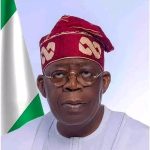
“For Nigeria to truly thrive, its leaders must bridge the gap between macroeconomic ambition and the immediate needs of its people. This means not only pursuing bold reforms but also ensuring robust, transparent, and effective social safety nets that reach the most vulnerable”.
BY EMMAN USMAN SHEHU
Under President Bola Tinubu’s administration, Nigeria’s economic reforms have been heralded as a bold recalibration, positioning the nation for an export-driven boom and long-term prosperity. The unification of the foreign exchange rate and the removal of fuel subsidies are lauded as textbook moves to stabilize the naira and boost non-oil exports. Yet, for the average Nigerian, these policies have unleashed a storm of hardship, eroding purchasing power, deepening poverty, and exposing the chasm between macroeconomic triumphs and the lived realities of millions. While the administration’s narrative paints a glowing picture of progress, the truth on the ground is far bleaker—a tale of soaring inflation, food insecurity, and failed safety nets that demands a critical reckoning.
The promise of a revalued naira and a surge in non-oil exports has done little to alleviate the crushing economic burdens faced by ordinary Nigerians. The unification of the exchange rate, while stabilizing the currency on paper, has sent shockwaves through the economy. The cost of imported agricultural inputs—vital for Nigeria’s food production—has skyrocketed, driving up the prices of staples like rice, beans, and garri. A single pot of jollof rice, a cultural mainstay, now costs 19% more than it did six months ago, between September 2024 and March 2025. Transportation costs, inflated by the removal of fuel subsidies, have further compounded the crisis, making it harder for farmers to get goods to market and for families to afford basic meals.
This isn’t just an economic statistic—it’s a daily struggle. The Nigerian Financial Services Market (NFSM) reports that fewer than 3% of Nigerians earn enough to cover basic living expenses. For the majority, the “worthless naira” is not a rhetorical jab but a harsh reality, as savings vanish and wages fail to keep pace with inflation. The World Bank’s projection is stark: by 2024, over 54% of Nigerians were living in poverty, with rural areas bearing the brunt at a staggering 75.5%. The much-touted “sweet spot” for exporters offers no relief to the millions facing hunger and despair, their dreams of stability suffocated by the weight of these reforms.
The Tinubu administration’s defenders argue that these reforms are a necessary pain for long-term gain, but the promised palliatives to cushion the blow have proven to be a mirage. Cash transfers and food distribution programs, meant to protect the vulnerable, have been plagued by inefficiency, corruption, and a lack of data-driven targeting. The result? Those most in need—rural farmers, urban laborers, and single mothers—are often left empty-handed, forced to navigate a system that seems indifferent to their plight. The human cost is staggering: skyrocketing transport fares have made it harder for people to reach workplaces, hospitals, or schools, effectively trapping them in a cycle of economic exclusion.
This failure has fueled a growing exodus, known as the “Japa” movement, as skilled professionals and young Nigerians flee the country in search of better opportunities abroad. The brain drain is not just a loss of talent but a damning indictment of an economy that cannot sustain its own people. While policymakers celebrate “textbook economics,” they overlook the stories of families skipping meals, children dropping out of school, and communities unraveling under the strain of survival.
The narrative of Nigeria’s economic resurgence is seductive for foreign investors and international economists, who point to rising export figures and a stabilized currency as signs of progress. But these metrics obscure a fundamental truth: economic reforms cannot be deemed successful if they leave the majority of citizens worse off. The Tinubu administration’s reforms may indeed lay the groundwork for future growth, but at what cost? The immediate fallout—widespread poverty, food insecurity, and social dislocation—demands urgent attention and a recalibration of priorities.
For Nigeria to truly thrive, its leaders must bridge the gap between macroeconomic ambition and the immediate needs of its people. This means not only pursuing bold reforms but also ensuring robust, transparent, and effective social safety nets that reach the most vulnerable. It means listening to the voices of those on the ground, whose daily struggles tell a story far different from the glowing headlines. Until then, the promise of an export-driven boom will remain a hollow victory, a competitive weapon wielded at the expense of Nigeria’s own citizens.
All the Administration’s sweet talk, most recently enunciated by Tanimu Yakubu, the Director-General of the Budget Office of the Federation, cannot mask the major question that looms large: can Nigeria’s leaders transform their vision of prosperity into a reality that lifts all boats, or will the pursuit of macroeconomic glory continue to leave millions behind? The answer will define not just Tinubu’s legacy but the future of a nation yearning for hope amidst hardship.
…Dr Shehu is an Abuja-based writer, activist and educator