BY COBHAM NSA – Clearly targeting a healthcare sector long plagued by underinvestment and costly cycle of overseas medical tourism, the Nigeria Sovereign Investment Authority (NSIA) is progressively transforming local medical services, and building world-class health infrastructure across the country.
To execute its mandate of turning patient capital investments into life-saving infrastructure that yields both commercial returns and deep societal impact, NSIA has remained relentless in pursuing its straightforward but ambitious objective of ensuring high-quality healthcare services, many previously inaccessible in Nigeria or available primarily through overseas treatment, become more accessible and affordable nationwide.
The drive to fix this yawning gap in Nigeria’s fragile health sector gave birth to its wholly owned subsidiary, NSIA Advanced Medical Services Limited (MedServe), a dedicated arm, rapidly deploying modern oncology, high-end diagnostics, and specialized medical infrastructure, directly into Nigerian communities.
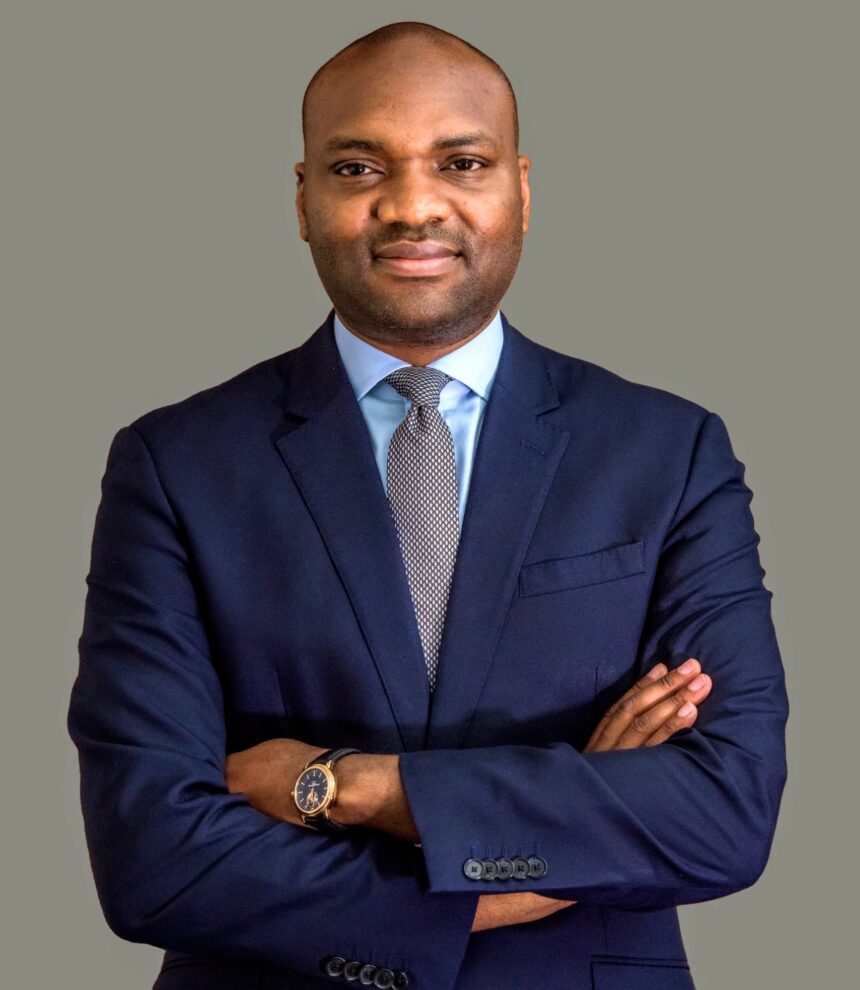
Managing Director and Chief Executive Officer of NSIA, Aminu Umar-Sadiq has stayed focused building on this foundation of placing healthcare investment within a broader institutional framework, one that goes beyond the development of individual facilities to building sustainable healthcare capacity, strengthening local expertise, and creating platforms capable of delivering measurable outcomes over the long term.
From Concept to Infrastructure, the Authority, through MedServe, has translated this strategic vision into operational healthcare infrastructure with national significance. Commissioned in May 2019, the MedServe–LUTH Cancer Centre (MLCC) in Lagos became the first oncology centre in Nigeria to offer 3D Conformal Radiotherapy and today houses the largest concentration of radiotherapy equipment in West Africa.
When COVID-19 grounded international flights, MLCC became a literal lifesaver given its strategic value. With overseas treatment suddenly out of reach, it stepped in to provide uninterrupted, advanced cancer care at home, proving that robust local healthcare is not just a luxury, but a national necessity.
Regionally, the impact expanded through the MedServe Kano Diagnostic Centre (MKDC) and MedServe Umuahia Diagnostic Centre (MUDC). Both Centres brought cutting-edge radiology and pathology services to areas that had long suffered from zero access to modern diagnostics.
The gamble paid off at scale with MLCC powering through 25,000 radiotherapy sessions and 10,000 chemotherapy treatments for roughly 15,000 patients. In a massive win for domestic healthcare, the centre is even reversing medical tourism, drawing Nigerian patients back from foreign hospitals thanks to its world-class, affordable care.
There is no denying the fact that local healthcare interventions have saved Nigeria over $200 million by keeping patients at home for treatments that cost less than half the price of going abroad.
Available records indicate over 410,000 patients in Kano and Umuahia received critical pathology and radio diagnostic services by December 2025, a massive boost for early disease detection and survival rates.
These milestones prove Nigeria is successfully building domestic clinical capacity, retaining specialized medical talent, and delivering tangible, affordable care to its citizens.
Building a Sustainable Oncology Ecosystem
In driving a sustainable transformation of the nation’s healthcare system, NSIA is pairing physical infrastructure with human capital development, clinical research, and global knowledge transfers. Through its medical subsidiary, MedServe, the Authority’s targeted initiative is advancing oncology care across Nigeria and the strategy focuses on training skilled oncology professionals, boosting local clinical research, and establishing strategic alliances with top global medical institutions.
As part of this push, MedServe’s annual Oncology Summit has fostered industry-wide collaboration and professional growth. Also, it has secured key partnerships with world-renowned bodies, including the Memorial Sloan Kettering Cancer Center and the University of Maryland Medical Center, to widen access to advanced clinical trials and innovative diagnostics.
Importantly, MedServe has successfully participated in two global cancer trials focused on breast and prostate cancer, marking a major milestone for regional health research, establishing Nigeria as an active contributor to international clinical trials, and ensuring global medical breakthroughs are directly compatible with African populations.
Mirroring the broader investment philosophy of the Aminu Umar-Sadiq-led management team, NSIA has shifted its focus from simple capital deployment to building institutional and human foundations, a strategy that seeks to create the sustainable technical and human-capital groundwork required to ensure its long-term assets deliver value for future generations.
On expanding national access, the Authority explained that the next phase includes building on the outcomes achieved to date, with MedServe embarking on a structured expansion of its healthcare footprint across 13 states, even as available information from the Authority indicates that the expansion is balancing established urban centres, including Lagos, the Federal Capital Territory (FCT) and Kaduna, with other participating states such as Oyo, Sokoto, Delta and Yobe.
“The objective is to bring specialised diagnostic and treatment capabilities closer to more Nigerians while creating a more geographically diversified healthcare network.
“The next phase comprises the development of 13 new diagnostic centres, three additional oncology centres and three cardiac catheterisation laboratories, introducing cardiology as a new service line within the MedServe platform”, the Authority said.
However, scale must be accompanied by operational resilience and MedServe has established long-term partnerships with global equipment manufacturers Siemens and GE, covering equipment supply, maintenance, training and bulk procurement efficiencies, supporting high service uptime, consistent quality and the long-term sustainability of the expanding network.
NSIA described the financing structure supporting this expansion as equally significant, disclosing that in line with its mandate of mobilising capital and catalysing foreign investment, MedServe secured up to US$24.3 million in blended financing from the International Finance Corporation (IFC) and the International Development Association (IDA).
It also said the financing intervention represents an innovative approach to healthcare investment, helping to lower the cost of capital while supporting affordability and demonstrating growing multilateral confidence in Nigeria’s healthcare sector.
Looking ahead, especially with new centres being commissioned from mid-2026, NSIA, through MedServe, remains focused on expanding equitable access to high-quality healthcare services countrywide, while insisting the nation’s healthcare narrative must continue to evolve.
Here, the Authority said progress should no longer be defined predominantly by outbound medical tourism, but increasingly by domestic resilience, expanding capacity and measurable national capability, adding: “The ambition is not simply to build more healthcare facilities. It is to demonstrate that world-class, dignified and accessible healthcare can be developed, operated and sustained in Nigeria.”
Also noting that while the journey continues, its destination is certain, NSIA said guided by disciplined investment as well as strong execution, there is no letting up in transforming Nigeria’s healthcare landscape for generations to come.
Ultimately, NSIA’s management maintained that it would always measure success by impact, not just infrastructure, adding: “It lies in the capacity created, the patients served, the expertise retained, the investment attracted and the extent to which Nigeria’s healthcare system becomes stronger, more resilient and increasingly capable of meeting the needs of its people at home.”