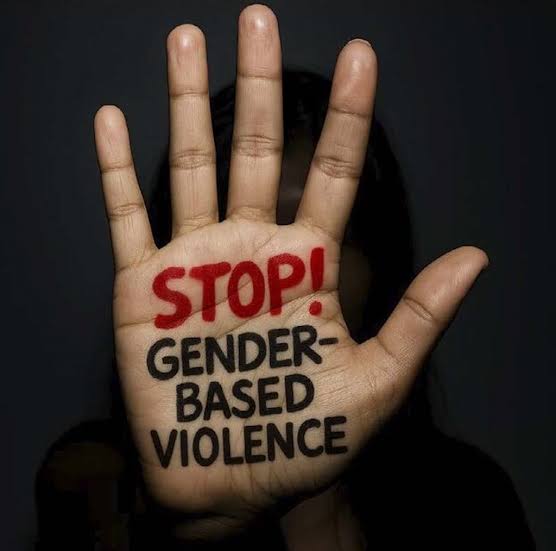
A gender rights organization on the aegis of ‘Centre for Redefining Alternative Civic Engagement (RACE) said it documented 51 incidents of online gender-based violence (OGBV) against women during the August 15, governorship election in Osun State.
RACE warned that sustained online hostility could discourage women from participating in politics and civic activities ahead of the 2027 general elections.
The organization noted that voters and mobilisers constituted the largest category of targets, accounting for 51.9 per cent of recorded incidents, followed by party officials and agents at 26.9 per cent.
It also stated that candidates accounted for 9.6 per cent of the incidents, with only four women contesting as either governorship or deputy governorship candidates in the election.
In its post-election report signed by its Executive Director, Evelyn Ugbe, the organization stated that the incidents were recorded between August 1 and 16, 2026, using its AI-enabled Online GBV Tracker.
Ugbe said the attacks targeted not only the four women who appeared on the ballot but also female voters, mobilisers, party officials and agents, INEC/Resident Electoral Commissioner (REC) officials, and civil society actors.

She further said that the four women were Yemisi Adeagbo Opawoye of the African Democratic Party (ADP), who contested the governorship, and three deputy governorship candidates — Temitope Agiri of the African Democratic Congress (ADC), Kehinde Aresa of the Boot Party and Oluwabusayo Adeyera of the New Nigeria People’s Party (NNPP).
Ugbe further said that a significant proportion of the attacks originated from identifiable accounts, with 68.6 per cent traced to named accounts and another 13.7 per cent originating from verified accounts.
The feminist organisation working at the intersection of gender justice and technology accountability, noted that the findings were particularly concerning given the low level of women’s representation in political contests.
Ugbe in the report, noted that 73.1 per cent of the recorded incidents involved sexist and misogynistic hate speech, while 26.9 per cent involved sexual harassment.
RACE also stated that Media and blog pages were responsible for spreading an additional 15.7 per cent of the recorded OGBV content, according to the report.
The report stated that 76.9 per cent of incidents were classified by monitors as posing an “Immediate Risk”, meaning they had the potential to escalate into offline physical harm, doxing or serious reputational damage.
The report particularly identified X, formerly known as Twitter, as the leading platform for the attacks, accounting for 63.3 per cent of recorded incidents.
Ugbe stressed that the fact that many perpetrators used identifiable accounts without facing consequences pointed to a culture of impunity, thus criticized technology companies and Nigeria’s electoral framework for failing to adequately protect women from digital violence.
The report therefore called for urgent action ahead of the 2027 elections, including stronger content moderation, better reporting mechanisms and greater accountability for perpetrators.
RACE urged social media platforms, particularly X and Meta, to overhaul their moderation systems and expand human moderation capacity in local languages, including Yoruba and Pidgin.
It specifically called on the Independent National Electoral Commission (INEC) to integrate OGBV monitoring into its electoral security framework, publicly condemn digital violence against women and hold political parties accountable for the online conduct of their campaigns and supporters.
RACE tasked law enforcement agencies to apply the Cybercrimes Act fairly in prosecuting serious cases involving threats of physical harm, but quickly cautioned against the use of the law to suppress legitimate free speech.