BY COBHAM NSA – Minister of Finance and Coordinating Minister of the Economy, Taiwo Oyedele, says Nigeria must shake off the ghost of crude oil haunting its digital future by shunning heavy reliance on foreign infrastructure to store and process its data.
He said harnessing the economic value of its expanding digital sector is the way to go rather than remaining a victim in the trap of exporting its most precious modern resource, data, to foreign servers, and paying heavily to buy such back
Addressing guests and graduands at the University of Uyo Convocation Lecture with the theme, “Digital Sovereignty and Ethics: Guarding the Economy for the Next Generation”, Oyedele drew a straight, bruised line between yesterday’s blunders of oil economy and today’s digital complacency, insisting that exporting crude oil and importing refined petroleum products deprived Nigeria of substantial domestic value, expertise and employment opportunities,
He said given the scale of opportunity already evident, the country must not allow a similar pattern to emerge in the digital economy, citing Nigerian Communications Commission (NCC) figures that shows Nigeria had more than 157 million active internet subscriptions as at May 2026.
However, with the Nigeria Data Protection Commission (NDPC)’s estimate that over 90 per cent of the country’s data is hosted abroad, Oyedele said such dependence comes at a considerable economic cost, in terms of foreign exchange outflows for offshore data hosting and processing, lost opportunities for local businesses and professionals, and exposure of Nigerian data to foreign laws and jurisdictions.
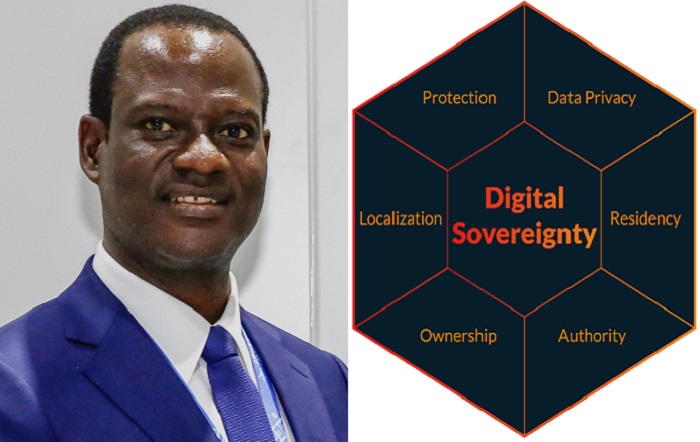
For him, digital sovereignty entails a country’s ability to determine, under its own laws, how its data is collected, stored, accessed and utilised, stressing that it does not mean shutting Nigeria out of the global digital economy, but commanding the ship from the bridge rather than bailing water in the engine room.
He said reversing would need deliberate investment in domestic digital infrastructure, stronger regulatory institutions and the development of local expertise and businesses capable of converting data into valuable products and services within Nigeria.
Oyedele, who also spoke on Artificial Intelligence (AI), emphasized its growing capacity to reshape employment and the skills required in the emerging economy, challenging graduates to embrace AI and other emerging technologies while retaining their independent judgement, critical thinking, creativity, empathy and integrity.
Further tasking Nigerian youths to protect their digital footprints, he warned that online behaviour increasingly dictates personal and career success and reminded graduates that posts, comments, and reactions directly shape how they are perceived by employers and society alike.
With caution against the pitfalls of internet fame, the Minister said online attention does not equal respect, nor does virality create real value, urging youth to prioritize civil discourse and challenge ideas without attacking individuals.
Additionally, he warned that AI is accelerating the spread of misinformation and impersonation, making ethical conduct vital to preserving public trust.
On the role of universities, Oyedele said higher institutions must move beyond the traditional award of certificates by positioning themselves as centres of innovation, entrepreneurship, ethical leadership and practical problem-solving.
While advancing the argument that their relevance should also be measured by the problems-solving capacity of their graduates solve, their established businesses and contributions made to their communities, the Minister identified agriculture, energy, healthcare, marine resources, environmental management and digital services as sectors offering significant opportunities for innovation and enterprise.
He charged universities to equip students with the practical knowledge and skills to develop solutions in these areas, listing lifelong learning, value creation, integrity, responsible digital citizenship and active participation in nation-building as five key responsibilities for the graduating students.
Maintaining that infrastructure means nothing without the right values, choices, and human capabilities driving development, the Minister tasked the new graduates on becoming active builders of this future, rather than passive bystanders.
The Minister, who referenced management guru Peter Drucker, told the graduands: “The best way to predict the future is to create it.”