- Iranian rights group, HRNA raises alarm
- Says 705 persons arrested on political or security charges since the war with Israel began
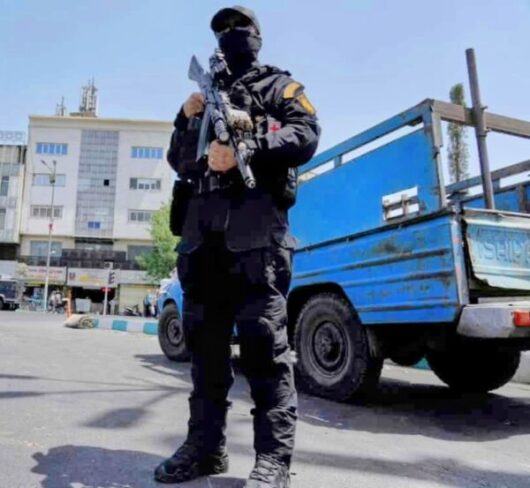
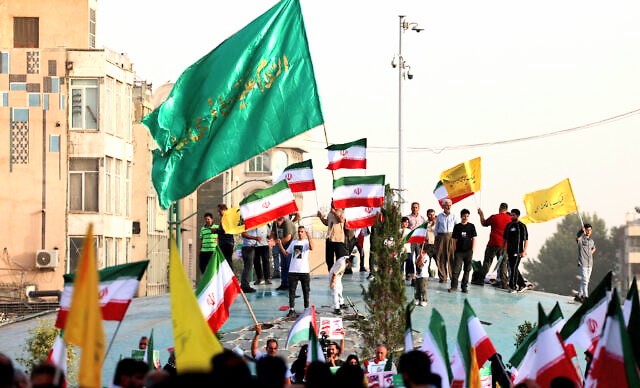
Amid the fragile ceasefire agreement with Israel, the Iranian authorities have intensified internal security crackdown across the country with mass arrests, executions and military deployments, particularly in the restive Kurdish region.
According to officials and activists, within days of Israel’s airstrikes beginning on 13 June, Iranian security forces began a campaign of widespread arrests accompanied by an intensified street presence based around checkpoints.
Some in Israel and exiled opposition groups had hoped the military campaign, which targeted Revolutionary Guards and internal security forces as well as nuclear sites, would spark a mass uprising and the overthrow of the Islamic Republic.
However, while numerous Iranians continue to express anger at the government, there has been no sign yet of any significant protests against the authorities.
Briefing on internal security issues, one top Iranian security official and two other Senior officials said the authorities were focused on the threat of possible internal unrest, particularly in Kurdish areas.
The top Security official hinted that Revolutionary Guard and Basij paramilitary units were put on alert and internal security was now the primary focus by the Iranian government.
The official said authorities were worried about Israeli agents, ethnic separatists and the People’s Mujahedin of Iran, or MEK (Mujahedin-e Khalq), an exiled opposition group once designated as a terrorist organisation by the US and UK.
Activists Lying Low Within The Country
Activists say the now-weakened regime in Tehran has put paramilitary police on guard preparatory to quelling any internal unrest that may occur.
A Rights activist in Tehran, who was jailed during mass protests in 2022, said; “We are being extremely cautious right now because there’s a real concern the regime might use this situation as a pretext”.
The activist said he knew dozens of people who had been summoned by authorities and either arrested or warned against any expressions of dissent.
On its part, Iranian Rights group, HRNA said on Monday it had recorded arrests of 705 people on political or security charges since the war began.
It further stated that many of those arrested have been accused of spying for Israel.
Also, Iranian State media reported that three persons were executed on Tuesday in Urmia, near the Turkish border, and the Iranian-Kurdish Rights group, Hengaw said they were all Kurdish.
But Iran’s Foreign and Interior ministries did not immediately respond to requests for comments on the issue.
Checkpoints And Searches
One of the officials, while offering insight on the current security situation in the country, said troops had been deployed to the borders of Pakistan, Iraq and Azerbaijan to stop infiltration by what the official called terrorists, while also acknowledging that hundreds had been arrested.
Iran’s mostly Sunni Muslim Kurdish and Baluch minorities have long been a source of opposition to the Islamic Republic, chafing against rule from the Persian-speaking, Shi’ite government in Tehran.
The three main Iranian Kurdish separatist factions based in Iraqi Kurdistan said some of their activists and fighters had been arrested and described widespread military and security movements by Iranian authorities.
Ribaz Khalili from the Democratic Party of Iranian Kurdistan (KDPI) said Revolutionary Guards units had deployed in schools in Iran’s Kurdish provinces within three days of the beginning of Israel’s strikes, going house-to-house looking for suspects and arms.
Reports indicated that the Guards had taken protective measures too, evacuating an industrial zone near their barracks and closing major roads for their own use in bringing reinforcements to Kermanshah and Sanandaj, two major cities in the Kurdish region.
A cadre from the Free Life Party of Kurdistan (PJAK), who gave her nom de guerre of Fatma Ahmed, said the party had counted more than 500 opposition members being detained in Kurdish provinces since the airstrikes began.
Meanwhile, Ahmed and an official from the Kurdish Komala party, who spoke on condition of anonymity, both described checkpoints being set up across Kurdish areas with physical searches of people as well as checks of their phones and documents. – With agencies’ reports