A coalition of civil society organisations rose from a three-day workshop in Abuja on the expansion of industrial livestock production in Nigeria with a demand for transparency and exercise of their Right to Information, insisting on pursuing the disclosure of the JBS MoU, related agreements, ESIAs and financing arrangements through coordinated FOI requests to the Federal Ministry of Agriculture and relevant state institutions.
The coalition of the CSOs also vowed that they would follow up and escalating through every lawful avenue where requests go unanswered.
Participants at the workshop which centred on the activities JBS engagement and industrial livestock expansion in Nigeria stated that in order to build the evidence base, they undertook a joint investigations and documentation into the commitments contained in the MoU and the adequacy of environmental and social safeguards, the ownership and financial interests behind the investment, and the state of Nigeria’s food and seed systems, so that advocacy rests on verifiable evidence.
The workshop demanded that their story should be told in every language just it should be developed and shared through unified messaging that answers four questions (who is JBS, what could it mean for Nigeria, how could you be affected, and what food future do we choose) through local languages, community radio, drama, faith and traditional institutions, social media and trusted messengers.
A communique issued at the end of the three day brain storming sessions, participants insisted on the need to champion Nigeria’s own food for the future, thus stressed the need to document, promote and defend agroecological, pastoralist and smallholder food systems, indigenous seed and local knowledge as the foundation of genuine food security and food sovereignty.
It further stated; “Protect people and information: Integrate security into the planning of all campaign, research and documentation activities, with particular attention to the protection of community members, sources and frontline partners.
“Connect national action to continental and global accountability: Link Nigerian evidence and community experience to regional and international processes, strengthen solidarity with continental alliances, and open the door to sharing experience and learning with other communities at the frontline of expansion, so that Nigeria does not become a gateway for the expansion of corporate industrial livestock across Africa.
“Champion Agroecology: Promote and scale up agroecological, farmer-led systems that empower local communities, protect indigenous knowledge, and ensure ecological balance.
“Defend Smallholder Rights: Advocate for institutional protections, land security, and seed autonomy for smallholder farmers who form the bedrock of national food production.
“Resist Exploitative Models: Oppose the establishment of JBS S.A. or any industrial livestock facilities that operate without public accountability, community consent, and rigid environmental safeguards,” the workshop stated.
As a means of protecting host communities, secure Nigeria’s food sovereignty and uphold the public interest, the workshop called on the Federal Government of Nigeria and State Governments to as a matter of national importance, publish the full text of the JBS MoU through the Federal Ministry of Livestock Development, and all related agreements, contracts and partnership frameworks with JBS, while the state governments should publish any agreements concerning land allocated to the project.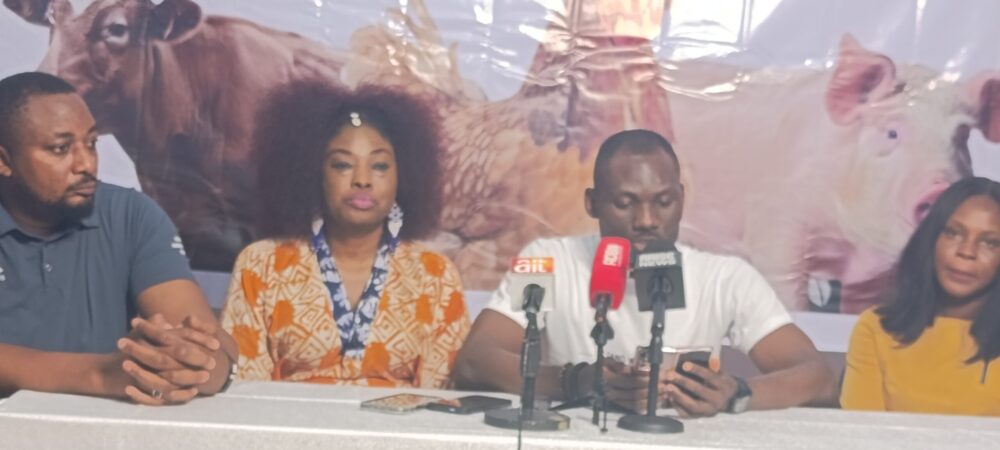
The communique which was signed by Mariann Bassey-Olsson, Deputy Executive Director, Environmental Rights Action/Friends of Earth Nigeria (ERA/FoEN) and Africa Coordinator Stop Financing Factory Farming (S3F), Mr. Opeyemi Elujulo, Executive Director, Uouth in Agroecology and Restoration Network (YARN), Adesuwa James Jang, Founder/Team Lead, Youth for Environment Sustainability and Development. (YESD), and Richard Abubakar Umar, Founder/CEO, Community Development and Climate Care, insisted that all public institutions that have received FOI requests on the proposed investment should respond fully and within the time limits set by the FOI Act 2011.
They further demanded; “Disclose the money and its owners: Disclose the financing terms of the US$2.5 billion investment, the allocation of funds, any public incentives offered, and the beneficial ownership of all private investment vehicles involved.
“Independent ESIAs and free, prior and informed consent: Ensure that independent, transparent ESIAs, including assessments of cumulative impacts on land, water and ecosystems, are completed, published and presented to host communities before any further land allocation or construction, and that no project proceeds without the free, prior and informed consent of affected communities.
“Apply Open-Government Standards to Livestock Reform: Bring the JBS investment into line with Nigeria’s international climate and biodiversity commitments and Nigeria’s Open Government Partnership commitments, including consultation before siting decisions, line-item budget disclosure, published grievance mechanisms and independent monitoring that includes civil society.
“Protect Smallholders, Animals and the Environment: Establish enforceable safeguards that protect smallholder farmers’ and pastoralists’ access to markets and bargaining power, local processing capacity, animal welfare standards, and waterways and groundwater, backed by independent monitoring and the full application of Nigeria’s One Health approach.
“Ensure Coordination Across Government: Ensure that all ministries and agencies with relevant mandates, including those responsible for environment, agriculture, water, land, justice, finance and labour, are fully involved in, and accountable for, decisions on the proposed investment.
“Prioritizing public investment in agroecological, community-led, climate-resilient, and diversified food systems, rather than disproportionately supporting industrial animal farming,” the coalition of CSOs demanded among others.