BY COBHAM NSA – The Federal Government has rejected recent allegations of “hidden spending” and diversion of federation revenues, describing such claims as false and based on a misinterpretation of the latest Nigeria Development Update by the World Bank.
The Federal Government says allegations of “hidden spending” and revenue diversion are a fundamental misinterpretation of the latest World Bank Nigeria Development Update, characterizing the claims as a completely false narrative.
This is as the Ministry of Finance further clarified that Federation Account Allocation Committee (FAAC) deductions, mistakenly portrayed as missing funds, are actually legal, statutory, and transparent fiscal processes.
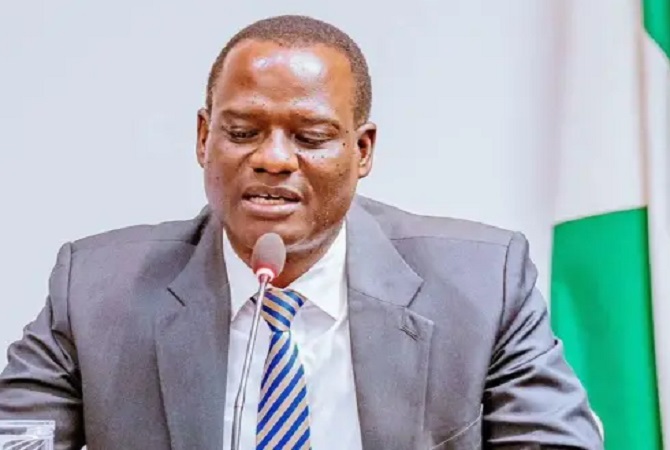
According to a statement issued on Sunday by the Minister of State for Finance, Dr. Taiwo Oyedele, media reports and commentaries suggesting that a significant portion of federation earnings is being diverted distort the World Bank’s analysis and reflect a poor understanding of Nigeria’s fiscal framework.
Oyedele said deductions from FAAC, which some reports described as “waste” or missing funds, cover statutory transfers, savings and investments, security-related expenditures, cost-of-collection charges, refunds to Ministries, Departments and Agencies (MDAs), as well as transfers and interventions benefiting sub-national governments.
He also explained that refunds and allocations to states and other tiers of government do not constitute leakages but represent lawful financial flows, including repayments of obligations and statutorily mandated disbursements, noting that some commentaries depended selectively on outdated data while ignoring forward-looking insights and ongoing public financial management reforms as captured in the World Bank report.
The Minister, who highlighted the impact of early 2026 reforms, said a new Executive Order now mandates strict safeguards for petroleum revenue remittances, stressing that these measures are already neutralizing deduction concerns, with projections indicating a 0.4% GDP annual boost to government revenue and enhanced fiscal transparency.
However, Oyedele cautioned that isolating specific findings, without considering the comprehensive reform landscape, presents a misleading picture, just as he reinforced that the World Bank views Nigeria’s economic trajectory with optimism while also acknowledging a forward-looking, positive assessment.
Specifically, he said the evidence lies in the improving fundamentals; a pivot toward broad-based growth, inflation trending downward due to strategic policy, a bolstered external balance sheet, and a historic turnaround in debt indicators with a declining debt-to-GDP ratio in over a decade
Furthermore, the Minister said: “These developments reflect the impact of ongoing macroeconomic policies and public financial management reforms by the current administration”, just as he underscored that the World Bank does not suggest that Nigeria’s fiscal system is failing but rather affirms that reforms are yielding results and should be sustained and deepened to translate macroeconomic gains into inclusive growth.
Oyedele said the Ministry of Finance has strengthened its focus on enhancing fiscal transparency, strengthening revenue mobilisation, and driving inclusive economic growth through deepened reforms in revenue generation and prudent public spending.
While tasking all stakeholders to embrace responsible reporting, the Minister emphasized that accurate public interpretation of fiscal data is crucial to sustaining the current reforms working to transform Nigeria’s economic outlook and warned that distorted interpretations of fiscal information threaten to undermine public confidence in Nigeria’s ambitious reform trajectory.