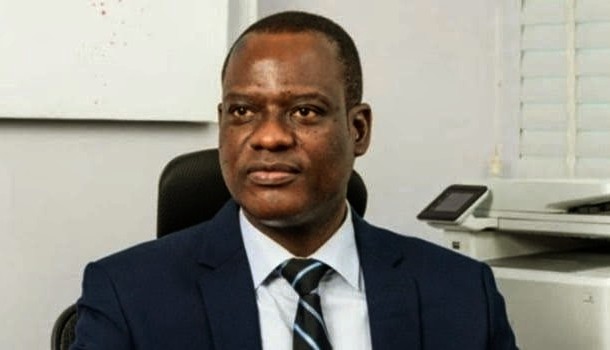
BY COBHAM NSA – The Federal Government has described the overall positive assessment of Nigeria’s economic reform programme by the International Monetary Fund (IMF) as an independent validation of bold and necessary measures introduced under President Bola Tinubu’s administration.
According to the Minister of Finance and Coordinating Minister of the Economy of Nigeria, Mr Taiwo Oyedele, the government is particularly happy with the IMF’s 2026 Article IV Mission Concluding Statement, which highlighted improvements in macroeconomic stability, foreign exchange market operations, fiscal reforms and the resilience of the banking sector.
In a statement that he personally signed on Tuesday, Oyedele noted that the IMF’s findings show the reforms implemented over the past three years are beginning to deliver results, especially in restoring confidence, and laying the foundation for sustainable and inclusive growth as well as enhancing Nigeria’s resilience against global economic turmoil
The statement applauded the IMF’s acknowledgement that Nigeria is not only moving in the right direction but also better positioned to withstand global economic uncertainties than at any time in recent years.
The Minister said: “Government is particularly encouraged by the IMF’s recognition that the difficult but necessary decisions to end fuel subsidies, eliminate deficit monetisation, liberalise the foreign exchange market, and strengthen fiscal discipline have contributed significantly to reducing vulnerabilities and rebuilding confidence in the economy. The report notes that Nigeria now faces global shocks with stronger policy frameworks and buffers than before.”
Also admitting that ongoing conflict in the Middle East has created new challenges for economies around the world through higher energy prices, rising food costs, tighter financial conditions, and disruptions to global supply chains, the IMF said Nigeria has demonstrated notable resilience amid the inflationary pressures occasioned by these developments.
The statement added, “Despite significant increases in global energy prices, the foreign exchange parallel market premium has remained below five percent, sovereign spreads have remained broadly stable, and investor confidence has been preserved.”
Further noting that Nigeria stands at a critical economic crossroads, well-positioned to leverage soaring global energy prices into surging export earnings, robust fiscal revenues, and a vital influx of foreign exchange, the Fund said the government should clearly seize this momentum to aggressively drive a multi-front energy strategy.
Oyedele said the Government’s immediate focus centers on ramping up crude oil and gas production, expanding domestic refining capacity, and attracting fresh international capital across the entire supply chain, but noted that high-level macroeconomic stability is yet to eliminate the crushing realities of poverty and food insecurity on the ground.
“The Government acknowledges the IMF’s observation that poverty and food insecurity remain significant challenges. While progress is being made in terms of per capita income growing by nearly 10 percent in 2025 indicating marked reduction in poverty levels, we are mindful that macroeconomic stability, while necessary, is not sufficient on its own. Economic growth must be inclusive and must translate into tangible improvements in the welfare of Nigerians”, he said.
Accordingly, the government is expanding social protection through cash transfers, business support, student loans via NELFUND, consumer credit, healthcare investments, and livelihood initiatives.
In agriculture, the government, through initiatives like the Renewed Hope National Agricultural Mechanisation Programme, is heavily investing in modernizing agriculture, expanding irrigation, and providing financing to curb food inflation, create jobs, and ensure food security.
“The Federal Government also welcomes the IMF’s recognition of the progress being made in domestic revenue mobilisation and public financial management reforms. The successful implementation of Nigeria’s new tax laws, the digitisation of revenue collection processes, improved transparency in public finance, and enhanced accountability mechanisms will continue to strengthen fiscal sustainability while ensuring a fairer and more efficient tax system.
“We note the IMF’s recommendations regarding fiscal reporting, budget transparency, and data reconciliation. The Government is already taking steps to strengthen fiscal data integrity, improve coordination among relevant institutions, enhance transparency in budget execution, and deepen public financial management reforms. Efforts are ongoing to improve fiscal reporting systems and ensure that economic and fiscal statistics continue to meet the highest international standards”, the Minister said.
He said the IMF’s medium-term outlook highlights Nigeria’s growing economic resilience, projecting steady growth exceeding four percent (4%), stronger reserves, and higher revenues, adding that these positive factors, coupled with declining public debt-to-GDP and international rating upgrades, prove that ongoing reforms are working.
Forward looking, Mr Oyedele said the government will strengthen fiscal discipline, build human capital, support private sector growth to create jobs, attract domestic and foreign investment, and improve the competitiveness of the Nigerian economy.
The Minister said current challenges notwithstanding, there is clear direction and stronger foundations to demonstrate that the government is not just chasing better numbers; but building a better life for every Nigerian, with lower inflation, decent jobs, higher incomes, and real opportunity