BY SEGUN ADEBAYO – In a move to modernize livestock practices and curb farmer-herder conflicts nationwide, the Federal Government has identified 470 gazetted and legally protected grazing reserves for the rehabilitation and resettlement of pastoralists.
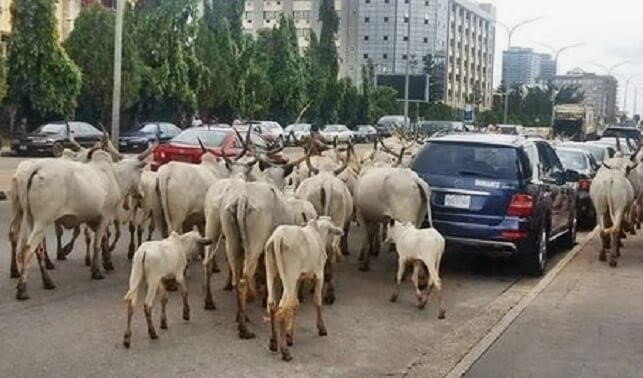
The Minister of Livestock Development, Idi Maiha, said these reserves are being rehabilitated and upgraded as part of efforts to end the era of cattle roaming the streets of Abuja, Lagos and other parts of the country.
Maiha, who addressed issues around the implementation of National Dairy Policy Framework and plans to transform Nigeria’s livestock sector on Arise News interview, said relocating herders into these reserves will strengthen disease surveillance, breed improvement and animal health management.
He affirmed that Nigerians should expect an end to cattle roaming the streets in cities nationwide, insisting that open grazing was no longer sustainable, as long-distance cattle movement contributes significantly to low productivity and the inability to meet domestic dairy demand.
According to him, “We are sensitising pastoralists to adopt a sedentary lifestyle. Once they settle in designated reserves, all the interventions required to improve productivity become easier to implement.
“We are also introducing jaw-tagging of animals so that once a cow steps outside its designated boundary, an alarm is triggered, indicating it has either strayed or been stolen, and it can be returned immediately.”
Speaking on daily milk production, he said Nigeria currently records average milk yields of between 1.2 and 2 litres per cow per day, compared to countries such as Kenya, where yields can be up to 30 litres daily.
He blamed the productivity gap on poor animal genetics, deficient feeding system, and weak disease control, noting that despite having an estimated 270 million ruminants, including cattle, sheep, goats, and camels, Nigeria has regrettably failed to modernise its livestock genetics.
Also noting that other African countries have deliberately upgraded their breeds, he lamented that Nigeria has largely retained traditional cattle with low productivity, adding that despite a wealth of research institutes and veterinary faculties nationwide, genetic improvement has yet to reach a meaningful scale
The Minister further said, “While every other thing in our national space has changed, we have not been able to transform our livestock by introducing new genetics or selecting based on performance traits.
‘’Either of those approaches would have lifted yields from two litres to 15, 20, 30 or even 50 litres per cow per day.”
He said to fix the problem and reasonably slash Nigeria’s $1.5 billion dairy import bill, the government-backed overhaul of the sector targets improved cattle genetics, disease control, and advanced feeding.
Maiha explained that this strategy, anchored by the National Dairy Policy Framework, aims to transform domestic milk production and reduce reliance on imports.