The Federal Government of Nigeria on Sunday, July 5, 2026, warned South Africa that it may adopt stronger diplomatic measures if xenophobic attacks against Nigerians continue.
The Government which gave the warning, also condemned in strong terms the killing of two Nigerian nationals in South Africa amid renewed anti-foreigner protests.
It pointedly said that South Africa continues to grapple with one of the world’s highest crime rates, and specifically warned that foreigners should not be made scapegoats for the country’s socio-economic challenges.
In a statement by the Federal Ministry of Foreign Affairs, the Federal Government stressed that the killings were disturbing and unacceptable, saying that the continued targeting of Nigerians raises serious concerns over their safety and security in South Africa.
The statement which was issued by Kimiebi Ebienfa, Spokesperson of the Ministry of Foreign Affairs, said the victims identified are Emeka Charles Iroegbu and Musa Yunana Joe, popularly known as Big Joe.
The statement said that Iroegbu was allegedly killed by officers of the Tshwane Metro Police on June 28, 2026, in Sunnyside, Pretoria, during what it described as a gruesome interrogation while on the same day, Yunana Joe was reportedly shot dead in front of his business premises in Witbank, Mpumalanga.
The Nigerian Government also linked the officers allegedly involved in Iroegbu’s death to the unresolved extra-judicial killing of another Nigerian, Nnaemeka Mathew Andrew Ekpenyong, in April 2026, stressing that no arrests have been made despite the identities of the officers being known to the South African Police Service.
The Federal Government also expressed concern that the latest incidents occurred amid increasing hostility towards foreign nationals in South Africa, and warned against attempts to portray law-abiding Nigerians as criminals.
It also noted that the recurring attacks and unresolved killings suggest a pattern that raises questions about state responsibility under international law, emphasising that documented reports compiled by Nigeria’s diplomatic missions provide sufficient grounds for criminal liability against those responsible for the alleged abuses.
The Nigerian Government specifically criticised comments reportedly made by a South African government spokesperson, who urged Nigerians leaving the country because of xenophobic protests to disclose where they hide illegal drugs.
While describing the remarks as inflammatory, derogatory and irresponsible, Nigeria stressed that such statements amount to hate speech capable of inciting violence against members of the Nigerian community.
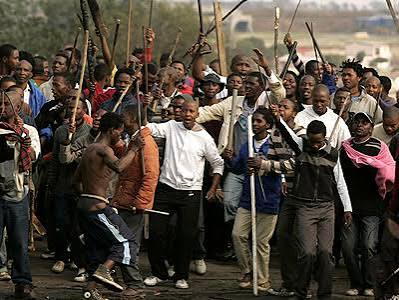
The Government pointedly condemned the activities of anti-immigrant groups such as March on March and Operation Dudula, accusing their leaders of promoting hatred and violence against fellow Africans.
It particularly tasked the South African authorities to as a matter of concern, investigate the recent killings and other unresolved cases involving Nigerian citizens and ensure that those responsible are prosecuted without delay.
The Nigerian Government insisted that every individual, regardless of allegations or suspicions, deserves fair hearing and due process in accordance with the rule of law.
While extending condolences to the families of the deceased, the government assured them that Nigeria would continue to engage the South African government until justice is achieved.
It however, advised Nigerians residing in South Africa to remain calm, law-abiding and vigilant while avoiding areas prone to violence during the ongoing xenophobic demonstrations.
The government said that efforts were ongoing to evacuate registered Nigerians willing to return home, adding that another batch of evacuees recently arrived safely in Lagos.
While reaffirming Nigeria’s commitment to African unity and peaceful diplomacy, the government however, warned South Africa that “all options remain on the table” should the continued attacks on Nigerians persist.
It said that South African nationals and businesses operate freely and safely in Nigeria, thus urged the South African government to reciprocate by guaranteeing the lives and property of Nigerians legally residing within its territory.
The Nigerian government appealed to Nigerians at home to refrain from retaliatory actions, assuring that it would continue to pursue dialogue and diplomatic engagement while protecting the rights and interests of its citizens abroad.