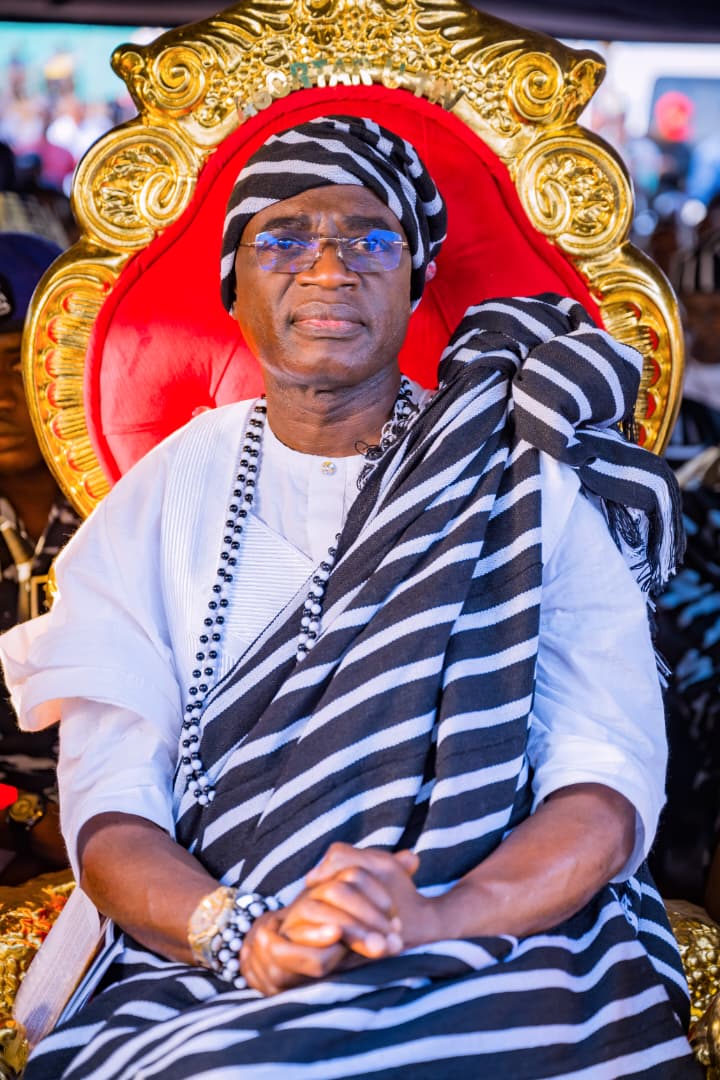
“But beyond political arguments lies a deeper issue Benue people must not ignore! The state cannot afford an election dominated purely by elite rivalries while ordinary citizens continue struggling with insecurity, unemployment, economic hardship, and social instability”.
BY DOOSUUR DORCAS TARPIRJA
The race for the 2027 governorship election in Benue State has fully commenced. The state is currently witnessing defections, consultations, strategic alliances, silent meetings, and public declarations. All these movements, realignments and political calculations from the different gubernatorial aspirants are designed to test their strengths, reposition their interests ahead of the next major electoral battle.
In a move that reeks of political nomadism and calculated desperation, Dr. Mathias Terwase Byuan, a man who only just a few days ago, was loudly praising the All Progressives Congress (APC), has officially defected to the Labour Party (LP), according to a letter currently circulating across the media space. While his handlers have attempted to portray this as a masterstroke political move, discerning Benue citizens see it for exactly what it is; a tactical retreat by a man whose governorship ambition has been overshadowed by the overwhelming political presence and performance of the incumbent Governor, Rev. Fr. Dr. Hyacinth Alia.
Dr. Byuan is not just another politician crossing from one party to another in search of relevance. He had already purchased the nomination and expression of interest forms within the APC before suddenly defecting to the Labour Party.
The question, therefore, becomes unavoidable! What exactly is happening in Benue politics? Is this merely another personal political decision by an ambitious politician seeking survival, or are the people of Benue witnessing the gradual construction of a broader anti-Alia coalition designed to weaken Governor Hyacinth Alia ahead of 2027? These are legitimate political questions deserving public scrutiny.
Many have opined that, Dr. Byuan’s movement to the Labour Party is not happening in isolation. Rather, it appears to be part of a larger pattern involving several political figures who have recently abandoned their original political platforms for alternative parties. Michael Aondoakaa, SAN, recently moved from the APC to the Peoples Democratic Party (PDP), where he has now become the flagbearer of the party in the state. Professor Sebastian Hon, SAN, who previously gained prominence during the PDP era, has also reportedly realigned with the Social Democratic Party (SDP). And now, Dr. Byuan to the Labour Party.
Three figures, three separate political platforms, one common political conversation, and one apparent target, which is Governor Hyacinth Alia.
To me, these movements may not necessarily be about winning elections independently on their respective platforms. Instead, the real objective may be to strategically divide the political landscape, fragment voting blocs, and weaken the electoral strength of the incumbent governor.
Whether this opinion is true or not remains a matter of political interpretation, but what cannot be denied is that the timing of these defections is politically significant. Even more intriguing is the recurring mention of the Secretary to the Government of the Federation, Senator George Akume, in discussions surrounding many of these political actors.
Dr. Byuan has long been politically associated with the SGF, often referring to him publicly as “my daddy and my father.”
Other opposition-leaning aspirants are also widely perceived to maintain cordial political relationships with him. This is why political speculation continues to intensify, with many questions on the lips of political watchers. Could there be a silent strategic arrangement behind the scenes? Could these defections be coordinated attempts to build multiple opposition fronts capable of negotiating a united coalition later? Could the goal be to collapse these structures into one formidable political platform against Governor Alia, closer to the election period?
These are the questions many people across Benue State are asking.
Interestingly, many people still remember the reconciliation meeting held at the Benue State Government House in Makurdi, where Senator Akume stated publicly that, President Bola Ahmed Tinubu has given a charge that Governor Alia must be returned elected in 2027. At the time, the statement appeared reassuring. But politics is rarely interpreted at face value.
Even within political circles, most people in the state have questioned the sincerity of statement. They argue that, if such assurance truly existed, why then are individuals believed to be politically close to the SGF openly positioning themselves against the governor across different political platforms? Again, these are speculations arising from political interpretations, not proven conspiracies.
And what makes Dr. Byuan’s movement especially controversial is not merely his defection, but the political memory attached to his previous public comments and campaign narratives.
During his earlier political engagements and consultations, he had accused the incumbent Governor of taking away the ‘pot of soup’ meant for their leader, the SGF. This statement showed his anger at the Governor for not carrying his leader and the SGF along, in the running of the affairs of the State.
He had also accused the state governor of not doing enough to tame the herdsmen attacks on some communities in the state. However, in a state still recovering under Governor Alia from years of killings, displacement, and rural attacks, any political statement touching on insecurity naturally attracts serious emotional and political reactions. Benue people are tired. They are exhausted by bloodshed and weary of politicians who appear during election seasons with promises of miracles, only to disappear once power negotiations are concluded.
The general feeling in the state is that those aligned with the SGF have effectively abandoned Governor Alia to shoulder the burden of securing the state alone, as though they bear no responsibility to protect the same people who voted them into office. This is why many citizens now examine every political movement with suspicion.
Defection itself is not a crime in politics. Nigerian democracy guarantees freedom of association, and politicians have every constitutional right to join parties of their choice. However, when defections become frequent and strategically timed around elections, citizens naturally begin to question the deeper motivations behind such movements.
Are the politicians pursuing public service or personal ambition? Are they driven by ideology or political bargain? Are they leaving because of principle or because of political calculations? These are questions every serious democracy must continuously ask.
Another issue shaping the current debate is the growing perception that some opposition figures are relying heavily on elite political arrangements rather than genuine grassroots structures.
Governor Hyacinth Alia, regardless of criticisms from opponents, still commands significant grassroots sympathy across several parts of Benue State. His emergence in 2023 was largely powered by widespread public frustration against the old political establishment. It was a powerful movement, and that movement still resonates among many ordinary voters.
Many citizens saw him as an outsider capable of confronting entrenched political interests, and that perception remains politically important. Even some of his opponents know that his political base cannot be underestimated.
This is why attempts to confront him through fragmented opposition platforms may ultimately weaken the opposition more than the governor himself. If Dr. Byuan contests under the Labour Party, Barr. Aondoakaa on the PDP platform, Barr. Hom on the SDP, and several others remain scattered across smaller parties, the result may simply be the division of anti-incumbent votes, while the governor’s supporters remain consolidated under one dominant structure.
Political history repeatedly demonstrates this reality! Fragmented opposition often strengthens incumbents. This is one major reason why many believe the current movements may eventually lead to coalition talks closer to 2027. The strategy would likely be to allow different figures to build structures separately, test their individual strengths, mobilize regional support, negotiate alliances, and eventually collapse into one united front.
It is a familiar Nigerian political strategy, but such strategies also carry serious risks! Ego clashes, power struggles, conflicting ambitions, distrust, regional calculations, and financial negotiations. These factors often destroy opposition coalitions before elections even arrive.
In Benue’s case, the challenge may become even more complicated because several of the emerging political figures already possess governorship ambitions of their own. Who then steps down for whom? Who sacrifices their ambition for the unity of the coalition? Who controls the structure? Who funds the alliance? Who controls the entire negotiations?
These questions can destroy even the strongest political alliance, and this is why many analysts believe the current anti-Alia calculations may eventually collapse under the weight of competing ambitions.
Dr. Byuan himself now faces a major political test. Joining the Labour Party may generate temporary headlines, but headlines alone do not win governorship elections. Not at all. He must now prove several things to Benue voters.
First, he must demonstrate political consistency. Second, he must convince voters that his movement is driven by genuine conviction rather than elite political arrangements. Third, he must establish strong grassroots structures beyond elite endorsements.
And perhaps most importantly, he must answer public concerns surrounding his previous comments on insecurity. This remains a serious issue. He must clarify whether his movement represents an independent political conviction or merely part of a larger coordinated strategy against Governor Alia. Silence may only deepen suspicion.
But beyond political arguments lies a deeper issue Benue people must not ignore! The state cannot afford an election dominated purely by elite rivalries while ordinary citizens continue struggling with insecurity, unemployment, economic hardship, and social instability.
Benue politics must rise beyond personality battles. Citizens deserve issue-based campaigns. They deserve clear policy alternatives and concrete plans for agriculture, infrastructure, security, healthcare, education, and economic development.
This is why the current political movements should concern citizens beyond mere party calculations. If opposition figures genuinely believe Governor Alia has failed, then they must present superior alternatives, not merely defections, political alliances, or elite meetings. They must provide convincing governance blueprints, which for now, none has presented.
…Doosuur Dorcas TarPirja (Wan Mbayongo), writes from Makurdi.