…Says; N7.5bn per km is monumental economic heist
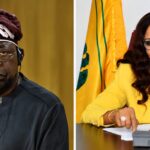
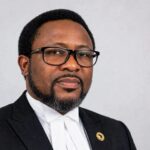
The Human Rights Writers Association of Nigeria (HURIWA) has said that it is alarmed and scandalised by the shocking disclosure by the Minister of Works, David Umahi, that the Lagos-Calabar Coastal Highway is costing Nigerian taxpayers an average of N7.5 billion per kilometre.
HURIWA said that to every reasonable and informed observer of global infrastructure economics, the figure is not only excessive, but represents one of the most controversial and suspicious public expenditure claims in Nigeria’s recent democratic history.
The rights group noted that countries with far superior infrastructure standards and stronger regulatory systems — including China, South Africa, Kenya, Ethiopia and the United States — routinely deliver major highways at significantly lower comparative costs despite deploying advanced technology, stricter safety systems and more transparent procurement frameworks.
It therefore condemned what it described as reckless, opaque and dangerously inflated spending regime being executed under the administration of President Bola Ahmed Tinubu while tens of millions of Nigerians are trapped in multidimensional poverty, mass unemployment, hunger, collapsing purchasing power, insecurity and social despair.
The rights organisation said that at a time citizens can barely survive rising food prices, unaffordable transportation costs, astronomical electricity tariffs and a collapsing naira, the Tinubu-led government is asking Nigerians to quietly accept a road project allegedly costing N7.5 billion for every kilometre constructed.
HURIWA said; “This is unacceptable. This is morally offensive.
This is economically provocative and this demands immediate independent international scrutiny”.
It called on all patriotic institutions and civic organisations in Nigeria — including the Nigerian Bar Association, the Nigeria Labour Congress, civil society organisations, anti-corruption coalitions, engineers, economists, procurement experts, development partners and transparency advocates — to urgently form a united national accountability coalition to subject the Lagos-Calabar Coastal Highway project to comprehensive forensic auditing.
HURIWA said such an audit should include full disclosure of all procurement processes; publication of engineering valuation reports; details of project financing agreements;
loan procurement structures; environmental impact assessments; tolling concessions and revenue projections;
compensation and land acquisition costs; identities of all contractors, consultants and financial beneficiaries; and
comparative cost analysis with similar international highway projects.
It insisted that the Freedom of Information Act must immediately be invoked to compel the release of every contractual and financial document linked to the project.
HURIWA stressed that the Nigerian people cannot continue to be treated as spectators while public resources disappear behind grandiose infrastructure propaganda.
According to HURIWA; “It is therefore impossible for patriotic Nigerians not to question the logic, transparency and integrity of a highway project whose cost profile appears outrageously disconnected from both local economic realities and global infrastructure benchmarks.
“Even more disturbing are comments credited to the Minister openly linking federal infrastructure spending to future electoral expectations and political reciprocity.
“For a serving minister to publicly imply that regions should politically “repay” the President for executing federally funded projects raises dangerous constitutional, ethical and democratic questions.
“Public infrastructure is funded with taxpayers’ money — not personal charity from political office holders. Federal roads are constitutional obligations of government — not partisan gifts designed to purchase loyalty ahead of elections,” it stated.
HURIWA warned that Nigerians are increasingly becoming concerned that massive public borrowing, opaque infrastructure financing and aggressive project announcements may ultimately be tied to broader political calculations ahead of the 2027 elections.
The organisation said that Nigeria belongs to the people, and not to a political elite treating public funds as instruments of power retention and political dominance, stressing that the time for silence is over.