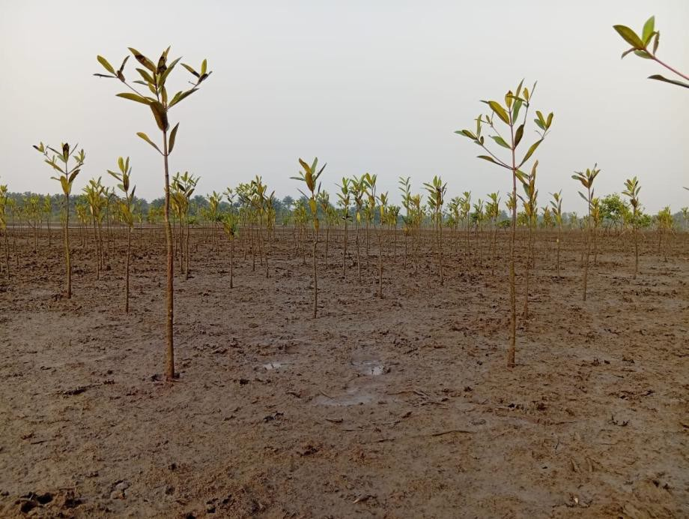
One year after planting 5,000 indigenous trees in Rivers State and the FCT, Julius Berger Nigeria PLC and the Nigerian Conservation Foundation have announced a 95 per cent survival rate and notable signs of ecological recovery, highlighting the growing impact of nature-based solutions on climate resilience and community livelihoods.
Accordingly, Julius Berger Nigeria Plc said it is recording measurable gains from its environmental sustainability programme, with about 95 per cent of 5,000 indigenous trees planted in partnership with the Nigerian Conservation Foundation (NCF) surviving.
It stated that it is an early sign of ecological recovery emerging in Rivers State and the Federal Capital Territory.
In 2025, the initiative, implemented under Julius Berger’s Corporate Social Responsibility and sustainability agenda, saw 2,500 trees planted in the Bodo Community, Gokana Local Government Area of Rivers State, as part of the mangrove recovery and restoration activities in the area, and another 2,500 at the Muhammadu Buhari Cantonment, Giri, Abuja.
The project supports the NCF’s Green Recovery Nigeria programme, which seeks to increase Nigeria’s forest cover to 25 per cent by 2047, while contributing to climate change mitigation through carbon sequestration, ecosystem restoration and greenhouse gas reduction.
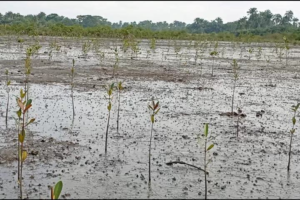
Julius Berger further said that a post-planting assessment conducted in May 2026, showed a survival rate of approximately 95 per cent across both locations, underscoring the effectiveness of ongoing monitoring and community involvement in the project.
It said that particularly significant are developments at the Bodo mangrove restoration site, where field assessments have confirmed the return of periwinkles (Tympanotonus fuscatus) and fiddler crabs (Uca species), both recognised indicators of a healthy mangrove ecosystem.
This was as environmental experts said the reappearance of these species points to improving ecological conditions, including healthier sediments, better water quality and the gradual restoration of natural ecosystem functions.
The experts noted that the return of periwinkles also brings direct livelihood benefits for local residents, especially women who harvest and process the species for food and income.
Beyond biodiversity recovery, the restored mangrove ecosystem is helping to strengthen shoreline protection, reduce erosion, improve nutrient cycling and enhance carbon storage, contributing to long-term climate resilience in the Niger Delta.
Julius Berger said the initiative demonstrates the growing role of private-sector investment in nature-based solutions, delivering tangible environmental and socio-economic benefits while supporting national and global climate action goals.
With strong community participation and visible ecological progress already recorded, stakeholders say the project shows how strategic partnerships can drive environmental restoration, biodiversity recovery, and sustainable development across Nigeria.