- Tasks media on robust partnership
BY UBON EKANEM – Stakeholders in Nigeria’s health sector have been challenged to work on addressing the continued stigmatization of People Living with the Human Immunodeficiency Virus (PLHIV) in the country.
According to the South-South Zonal Coordinator, National Agency for the Control of AIDS (NACA), Dr Uduak Daniel, it is imperative for stakeholders to up their game in raising and sustaining awareness on the stigmatization syndrome that remains a major challenge in fighting the spread and prevention of HIV nationwide.
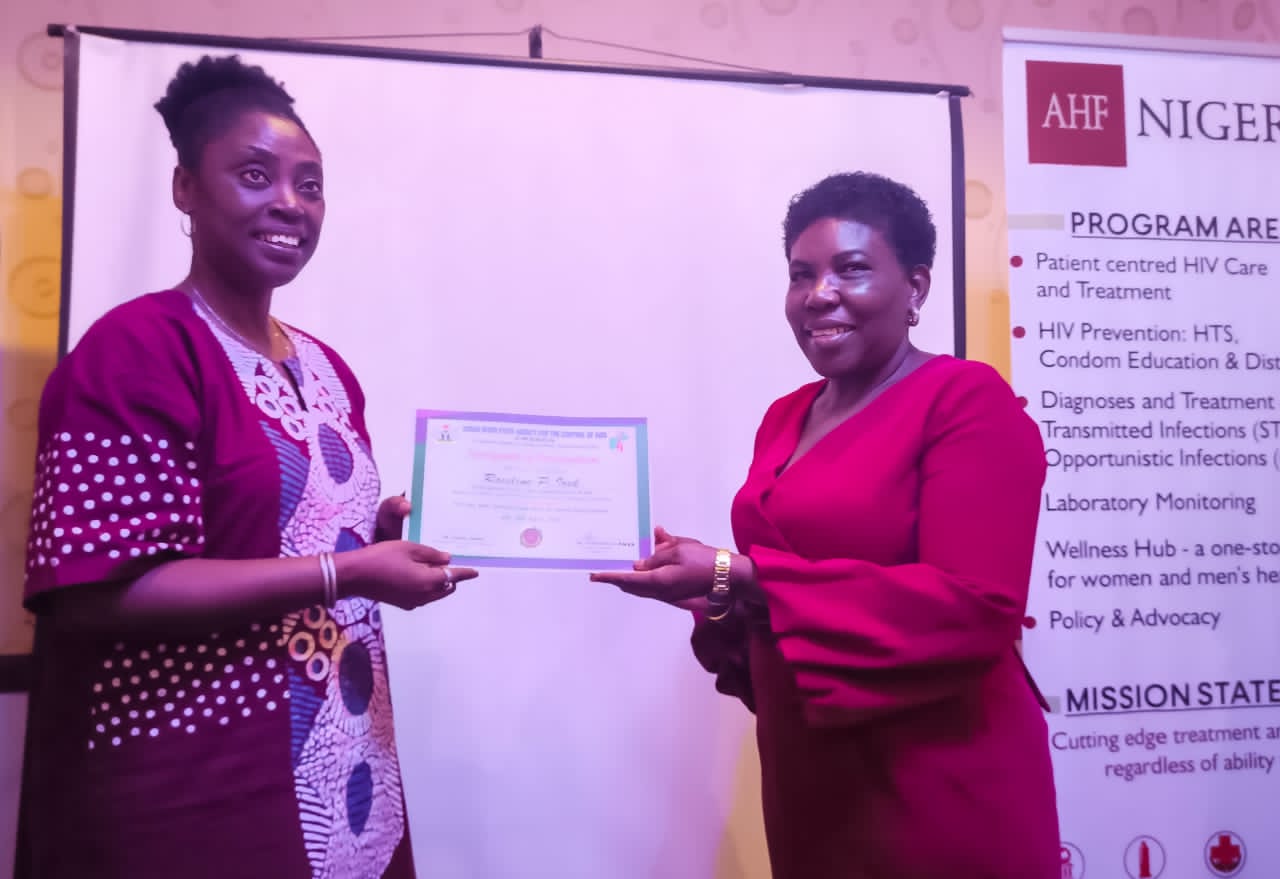
Dr Daniel, who spoke at the wrap-up session during a 5-day Domestication of Social and Behavior Change Communication (SBCC) Strategy seminar on HIV in Calabar, the Cross River capital, said stigmatization is a major source of concern as most people, afraid of public taunting and rejection, are reluctant to visit health facilities for routine testing.
She said to effectively address the stigmatization syndrome, the way out is for the populace to consider HIV as a normal sickness like malaria or headache that can be treated rather than a death sentence based on a negative social lifestyle.
The NACA Zonal Coordinator said rather than staying aloof as mere participants in the fight against HIV, the media should embrace the campaign as key stakeholders by adopting the various processes outlined in the SBCC process for the production of television and radio HIV messages as well as being creative in social media and newspaper publications.
Dr Uduak said available statistics generated from People Living With HIV stakeholders indicate that about 4,000 people in Cross River State are currently on the roster of those on various levels of treatment, adding that the figure does not include those under self-enclosure due to fear of being stigmatised.
The five-day training programme featured practical sessions on the production of HIV-based jingles and posters; as well as on-air drama programs; and the domestication of the national policy on SBCC strategy in relation to the norms, culture, and tradition of the people in the state among others.