…Records largest death toll increase
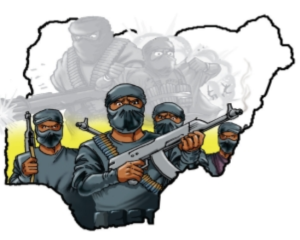
Nigeria has recorded significant leap in global terrorism fatalities as it now takes fourth position worldwide as confirmed by the 2026 report on Global Terrorism Index (GTI).
The report also indicated that Nigeria experienced the largest rise in 2025, with deaths increasing by 46 per cent to 750 against the backdrop of a major decline in global terror-related.
It attributed the increase in death toll to attacks from the Islamic State West Africa Province (ISWAP) and Boko Haram, both of which accounted for 80 per cent of the fatalities.
Terrorism remains highly concentrated globally, with nearly 70 per cent of deaths occurring in just five countries namely; Pakistan, Burkina Faso, Nigeria, Niger, and the Democratic Republic of the Congo (DRC).
Among the identified countries, Nigeria and the DRC recorded the largest increases with rises of 237 and 102 deaths, respectively according to the GTI.
Nigeria also recorded two of the 20 deadliest terrorist attacks worldwide in 2025, both in Borno State as on September 5, gunmen attack on Darajamal village in Bama Local Government Area, killing 58 villagers and five soldiers.
The Nigerian army reportedly killed 30 attackers during the assault, which local sources attributed to ISWAP.
Also on May 15, jihadists struck Mallam Karamti and Kwatandashi villages in Kukawa Local Government Area, abducting approximately 100 civilians.
Fifty-seven bodies were later recovered, while 70 individuals remain missing, with reports linking the attack to Boko Haram’s JAS faction.
The Global Terrorism Index (GTI), produced by the Institute for Economics & Peace, covers 163 countries and nearly the entire global population, ranking nations on terrorism impact using a 0–10 scale and drawing on sources including Terrorism Tracker.
While 2025 witnessed improvements globally with deaths falling by 28 per cent to 5,582 and incidents decreasing 22 per cent to 2,944, the lowest figures since 2000.
However, the decline was uneven as Western countries experienced a 280 per cent increase in fatalities to 57, largely driven by political terrorism, antisemitism, and Islamophobia.
According to GTI, Sub-Saharan Africa remains the epicentre of global terrorism, with six of the ten most affected countries located in the region.
Pakistan ranked as the country most impacted by terrorism for the first time since the GTI’s inception, recording 1,139 deaths and 1,045 incidents, its highest levels since 2013.
The report also highlighted a tripling of youth involvement in terrorism since 2021, with 93 per cent of fatal attacks in Western countries carried out by lone actors.
Globally, the Islamic State (IS) and its affiliates were the deadliest group, responsible for just under 17 per cent of attacks, followed by Jamaat Nusrat Al-Islam wal Muslimeen (JNIM), Tehrik-e-Taliban Pakistan (TTP), and al-Shabaab.
The GTI noted shifting patterns in terrorism, with over 76 per cent of attacks occurring within 100 kilometres of an international border, up from just under 60 per cent in 2007. While 81 countries recorded improvements—the highest since 2021—the sharp rise in Nigeria underscores the urgent need for robust counter-terrorism strategies and sustained international cooperation.